
Lifelong Insurance Agency

Home-Based Business Insurance

Operating a small business from home is growing in popularity and is a cost effective way to start up. Be aware however that basic homeowner’s insurance won’t cover the activities of a home business. Robberies of inventory or liability related to your products or services you sell may fall outside the purview of the most homeowner’s insurance, so you may need an additional business insurance policy. Here’s a scenario for anyone running a home-based business: The UPS guy makes a business delivery to your house, but slips, falls, and sues. Are you covered by your homeowner’s or business insurance? There’s a good chance the answer is no, and that’s just one example of why owners of home-based businesses need to seriously consider their insurance needs. Business equipment and inventory losses beyond $2,500 will not be covered by the typical homeowner’s policy should you suffer a loss. In the same way, if you see clients at home and they suffer an injury like our UPS guy did in the opening paragraph, you’ll need some kind of business insurance coverage to protect you. Three levels of policy coverage Coverage options may vary, but generally speaking you have three “upgrades” to select from, depending on your business and your exposure to risks. At the “bare bones” level, you may be eligible to get a rider on your homeowner’s policy to cover equipment and inventory beyond $2,500 or whatever amount is included in your standard homeowner’s policy. In some cases, you can bump that $2,500 up to $5,000 for as little as $25 per year. Overall, coverage can be increased to $10,000. In the same way, you can add a liability endorsement to your homeowner’s policy that would cover our UPS guy and a few other business visitors. However, adding the endorsement is limited to home-based businesses that receive very few visitors at home, like freelance writers. You need to check in your state to see how far you can push this before you need to go to the next step in this insurance progression. In-home business insurance policies When adding riders and endorsements to your homeowner’s policy won’t cover the amount of equipment or inventory you keep in your home, or you need better liability coverage, there are in-home business insurance policies available. Additional areas covered by these kinds of policies would include off-site property, loss of important documents, accounts receivable, and perhaps some loss of income if you suffer a disaster or fire that shuts you down. Further, these policies may cover a few employees that you might have working at your home. They also give you broader liability coverage. Standard business owner’s policy The top level of coverage is a standard business owner policy. This is really the same coverage a brick-and-mortar business would carry and delivers broader coverage than a policy written specifically for a home-based business. Along with everything you need to consider in order to purchase sufficient coverage for your home-based business, you also need to check your automobile insurance to see if you’re covered while you’re out driving for your business. Further, if you have employees, none of the policies mentioned here cover workers compensation, health, or disability insurance. Summary You can get a rider to your homeowner’s insurance that will extend coverage to some business activities, but the ideal solution is a home business insurance policy. In addition to covering basic liability and theft, it can compensate for the loss of key documents or equipment.
Read more

Growing your Insurance to Match your Growing Business

Your Business is growing but have you grown your Insurance Policy to match? Small Business Insurance offers several coverages that you may not need when starting out but will need as your business changes. It is important to have an understanding of what coverages are available and more importantly, knowing when to add them. For Example: Do you have a plan? The above is just a small example of the coverages that fall under a Business Owners Policy but there are plenty more coverages and situations that must be evaluated to properly insure your business. This is why is it so important to have a plan for insurance as your business grows. How do we combat this? Our strategy is simple: You have worked hard to establish your business, you should have all the proper coverages to protect your investment so you can focus on providing your clients the best service you have to offer. If you would like to talk to one of our Insurance advisors about EPLI Coverage or any other Business Insurance needs, please call 469-606-4590 or click here to send us a message.
Read more

Do you have a new Teenage Driver?

Teenage Drivers, every parent fears the day their teenager begins driving. The time has come for your teenager to start driving and you have heard from all your friends how expensive it is. Here is everything you need to know about when, why and how much it cost to add a teenage driver. What is the difference between permitted driver and licensed driver? Is my teenager automatically covered on my policy? What does it cost to insure a permitted driver? What does it cost to insure a licensed Driver? What can we do to keep costs down? What about permitted use drivers? Does the price of insurance decrease at 25 years old? About Lifelong Insurance Agency: We are an independent agency that focuses on 3 things: Call us today at 469-606-4590 or click here to send us a note to see how we can help you with all your insurance needs.
Read more

Flood Insurance – Who needs it and why?

With the unfortunate storms and hurricanes we have experienced in the last month, we cannot help but talk about flood insurance, does it help, who can actually get it, and who needs it. Let’s get the first question out of the way, Does my home Owners Insurance cover me if my home floods? Unfortunately no, a regular home owners policy does not cover against weather related flooding. This can cause confusion amongst everyone because there are several water related coverages on a policy. However, the simple answer is, water damage caused by water entering the home from an outside source such as lake or river is not covered under your regular policy. As a separate example, depending on your coverage, if a storm causes damage to a window or a roof and that causes water damage, then you are covered, but to re-iterate, if the water damage is from rising water entering your home due to flooding, that is not covered. So what can you do? There are flood insurance policies available separate from your regular home policy. Majority of Flood Insurance is purchased via the NFIP (National Flood Insurance Program). This Program is highly regulated and prices are set by the program so there is no pricing adjustments etc. You can call 100 insurance agents and the quote for flood insurance should all be the exact same. NFIP Insurance is regulated to flood maps. You can purchase this insurance if you reside within a flood map, that is not the same thing as a flood plain so you would have to talk to your insurance agent to see if your home is eligible. If you are not eligible for NFIP, there are private flood policies that anyone can purchase, talking to your agent will give you the best options available. How much does it cost? – Since NFIP regulates the pricing, you will not see adjustments unless you decide to purchase a policy from the private carriers. Pricing can range between $400-$600/year depending on the value of the home. What about the water coverage on my regular Homeowners Policy? Check out our blog on water coverages to read more about what exactly these other coverages do cover. Have more questions? Please feel free to reach out to us at anytime if you have questions about anything related to Flood insurance or anything else in your insurance policy. Lifelong Insurance Agency 469-606-4590 info@lifelongins.com
Read more

What does an Auto Insurance Agent do when they get into an accident?

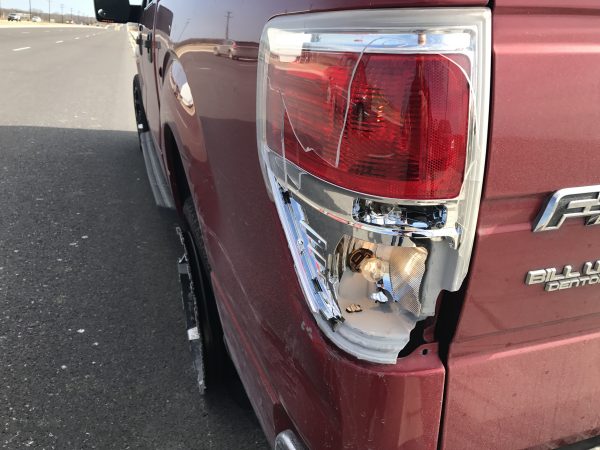
What does an Auto Insurance Agent do when they get into an accident? Yup, I found myself in this situation recently when I got hit while stranded on the side of the road. I talk to people everyday about auto insurance and what to do or expect when in an accident yet when I was in the situation, I found myself questioning, what do I do? The stress of the moment sure makes you forget what you think you should so. So here is a short list of things you should do. While I hope you never have to use these steps, store them away just in case you do. What to do when you are in an accident: What NOT to do What to expect next: If you find yourself in this situation and you still have questions, please feel free to contact us and we can help.
Read more

Withstand Adversarial Times with Business Life Insurance

Should I buy AAA or Roadside Assistance? Roadside Assistance There is nothing worse than being stuck on the side of the road with a flat tire, broken down car, or locked keys inside. That is the moment that you will love having a roadside assistance plan in your wallet. The question is, what is the best way to get roadside assistance? You have two basic options, utilize the program offered by your insurance carrier or use a service like AAA or one of the others available. So what’s the difference and which should you use? For the most part, the service you get from these programs are similar. They will all: Now lets look at the differences Roadside Assistance offered by your Car Insurance Almost all Insurance Carriers offer Roadside assistance with their insurance packages making it easy and very affordable to obtain this service. The benefits of using the Insurance Carrier are: With every PRO, there is a CON. The biggest CON here is that depending on the carrier, calling for assistance is a “claim” and too many of these can start to impact your premiums. Talk to your insurance agent about how your carrier may view this. Also make sure you ask about the different levels of coverage available, for example, the basic package may offer 15 miles of towing while the premier package offers 100 or more. AAA If you are unable to obtain roadside assistance from your Insurance Carrier or you just prefer another option, then services like AAA can fill this void. AAA offers 3 levels of memberships so you have to evaluate which one works best for you. In addition to the basic services we spoke about above, AAA can offer added benefits like: Once again, there are some CONS: Talk to your Agent when purchasing Insurance and evaluate which might be better for you. The good news is, you have options!!
Read more

Car Accidents: What to Do?

Car Accidents are dreadful. From paint scratches to fender bender, T-bones to totals, no one ever wants get into car accidents or experience feeling helplessly out of control. Luckily, we’re here to alleviate some of your fears. If you find yourself in a car accident, Lifelong has you covered. Here’s what to do if and when you get into a car accident…
Read more

Commercial Property Coverage – What’s the right type and amount?

You have a lot of assets for your business, are they insured properly? Did you know there are several ways business assets are classified and they all need to be covered under different ways? It is important to have an understanding of what coverages are available for your commercial property and when to have which coverages: What are the different coverages and how do you classify them? So what type of property do you have? The above is just a small example of the coverages that fall under a Business Owners Policy to protect your property. Talking with an experienced agent can help ensure all your property is correctly insured regardless of how or where you use and store it. You have worked hard to establish your business, you should have all the proper coverages to protect your investment so you can focus on providing your clients the best service you have to offer. If you would like to talk to one of our Insurance advisors about any of your Business Insurance needs, please call 469-606-4590 or click here to send us a message.
Read more

Employment Practices Liability Insurance

EPLI Who Needs it? When do you need it? and Why do you need it? What is EPLI? – Employment Practices Liability Insurance – This is a very important coverage that is often overlooked or misunderstood yet is important for every business owner to have. What is EPLI coverage? It is a coverage that protects a business owner from claims made by employees that their legal rights have been violated. This includes but is not limited to: Why do you need it? As a business owner, there is a responsibility to comply with many rules as an employer. Unfortunately, we are not all perfect and make mistakes. Business owners also tend to have a target on their back considering how litigious our society is. When do you need to have it? Most assume that if you do not have any employees, you do not need this coverage but that is not entirely true. There are two other instances that need to be considered having EPLI coverage in place for. You have worked hard to establish your business, you should have all the proper coverages to protect your investment so you can focus on providing your clients the best service you have to offer. If you would like to talk to one of our Insurance advisors about EPLI Coverage or any other Business Insurance needs, please call 469-606-4590 or click here to send us a message.
Read more

Why we won’t sell a Named Peril Policy

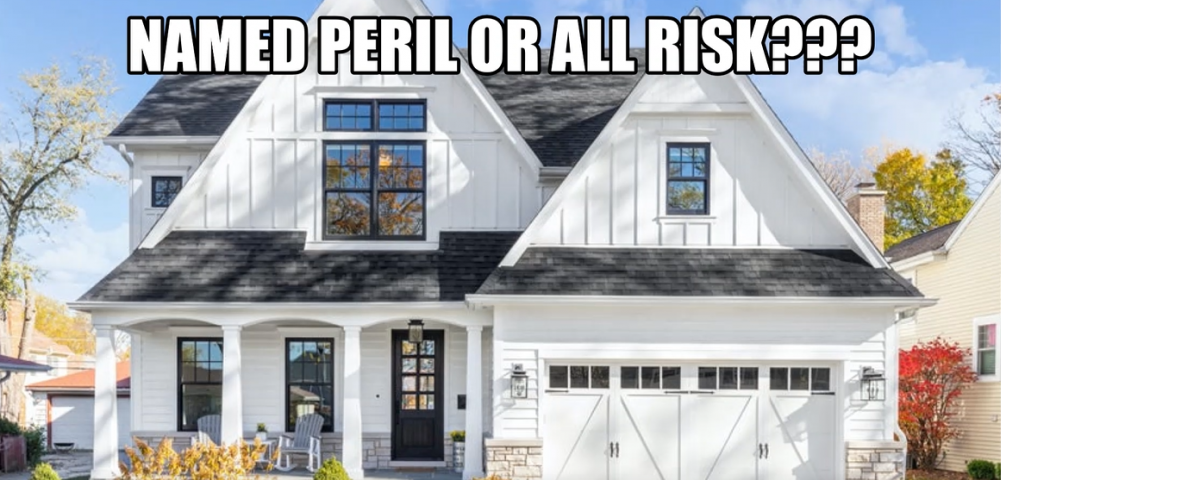
It’s not that we can’t, it’s just that we prefer not to so let’s talk about the two main reasons why. Reason #1: There are two basic types of insurance policies you can purchase, one is the aforementioned Named Peril and the other is an All Risk policy. Named Peril policies are dependent on a specified list of perils (risk of damage) to be included in the policy and only those risks listed are covered by the policy. Anything not specifically listed is excluded. All Risk Policies are the exact opposite and cover everything unless it is specifically excluded. So, would you rather rely on a list of things to be included or know that everything is included unless it is specifically excluded? Reason #2: Who has the responsibility of proving the cause of loss or damage? With a Named Peril Policy, that responsibility lies with you, the insured. That’s right, you actually have to prove to the carrier that the damage to your home was caused by one of those perils listed in the policy. To be fair, in many cases, like hail, that proof is evident, but just about any other risk is not so cut and dry. With a All Risk policy, since everything is covered unless it’s excluded, the carrier is the one that has the responsibility to prove if a claim is to be excluded due to that list. So where do you want to hedge your bets? Does this mean that Named Peril policies should never be used? Well, our suggestion is to always prefer an All Risk policy as you have more coverage and better claims processing, but there are some rare occasions where the Named Peril policy could work. Give us a call if you would like to discuss the differences in more detail or if you would like to talk to an advisor about all of your insurance needs. Here are a few tidbits if you are bored: -All Risk is often referred to as Open Risk or Open Peril. They are the same thing. -Named Peril is also known as HO-A Policy -HO-B, HO-3 or HO-5 introduce the All risk or Open Risk concepts.
Read more